To this day, over 40 years after it was very ceremoniously removed from the airwaves, Radio Nova is still remembered with reverence by all who ever listened to it or worked on it. No other radio station in Ireland has managed to replicate Radio Nova, where all the elements required to make a fantastic radio station came together in the one place at the same time. Others have come close, of course they have, but nobody else ever had a blend of every single one of the ingredients needed.
It, therefore, is a real shame that its legacy is a little tarnished by the events of the final months. Enough people who were there have testified that Chris Cary had become paranoid and erratic in those final months, his instincts which had always seemed to produce the right solution, the one that worked best, had deserted him.
The day he closed Magic 103 was the day he unleashed the beast. The NUJ, and one or two of the strikeforce, although arguably entirely justified in picketing the station, seemed to revel in their desire to destroy Radio Nova. It was obvious they were not going to rest until they’d achieved that - and in so doing putting quite a large number of people out of work, incidentally; not to mention depriving a population of a beloved radio station.
Big name departures didn’t help. John Clarke; Greg Gaughran; Henry Owens – those are the kind of losses you do not recover from. Constant shuffling of the schedules, most caused by circumstance, certainly didn’t help. People like the familiar. Being greeted by a different jock in the same timeslot every few days can be very disorientating, especially if listeners had taken a shine to any particular one.
Despite all of this, Radio Nova still sounded good. Very good. And was arguably still number one in Dublin – albeit hanging on by fingernails bitten to the quick. The end, however, was nigh and when the station closed it went out in a blaze of gory.
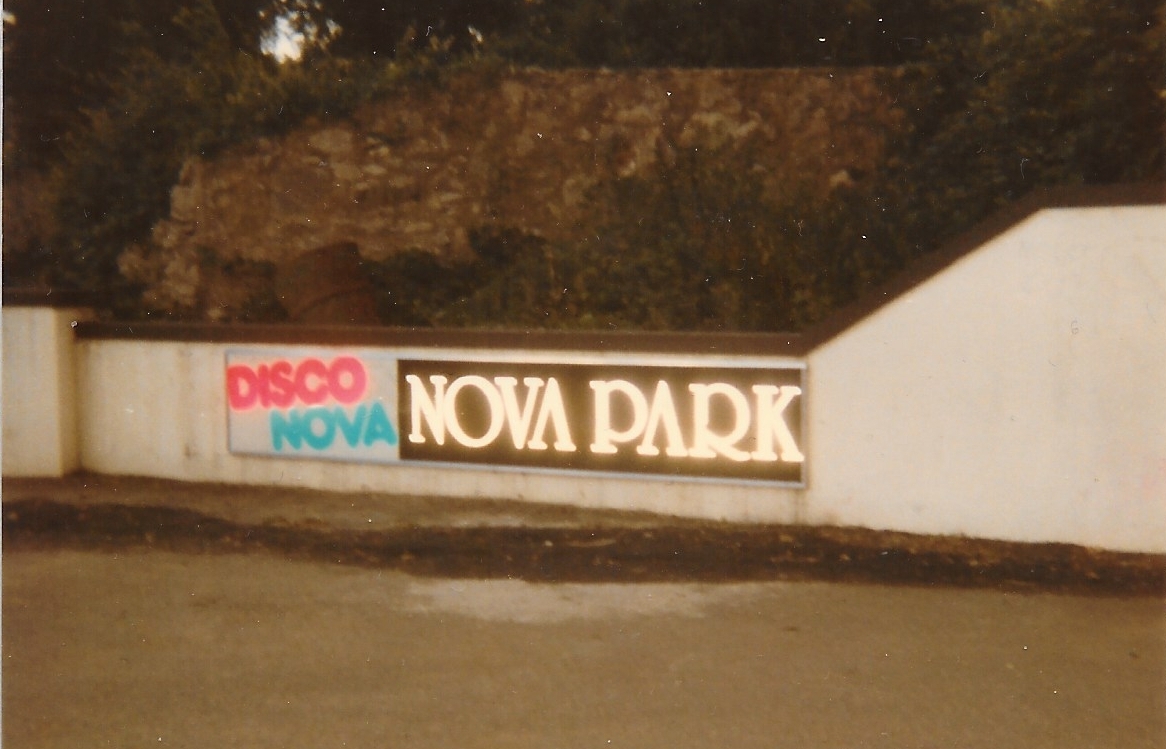
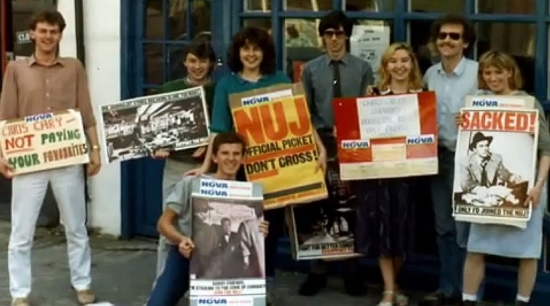
And so it was, as Autumn 1985 drew to a close, the pickets were back in force. Both Nova Park and 144 Upper Leeson Street were targetted, as was Sybil Fennell, who had stayed loyal to the station and to her lover, Chris Cary. She was subject to dreadful abuse, despite the fact that she had left the NUJ. Placards carried derogatory remarks about her and it became so bad that a temporary injunction was granted ordering the abuse to stop.
The strike action was certainly having an effect. The station had no working telephone as Bord Telecom would not pass the pickets. Advertising revenue was dangerously low, at a time of year that it would normally be at a high.
Cary repeated the claim in a court of law that none of the striking workers had been employed by Radio Nova; that instead, their paycheques came from a company that “did business with Radio Nova”. The name Tegrar had appeared on paycheques of Magic 103 staff when the station launched in April 1985, despite the staff originally being employed by Nova Media Services. The NUJ argued that assigning Magic 103 to Tegrar was for the sole purpose of shipping out union members.
Unhappy
By late summer Chris Cary had become increasingly unhappy with some of the content being broadcast on Magic 103, not in terms of quality but in terms of political allegiances.
Henry O'Donovan remembers:
The current affairs show which aired each evening was becoming skewed with what some perceived to be biased coverage of “the troubles” in Northern Ireland, basically doing everything to support the provisional IRA. That’s what I heard anyway. It may not be true. Cary was livid. Here was this English man running the country's biggest commercial station being heckled by his own staff.
The blame was laid firmly at the mouths of the same three who had picketed the station for most of 1984 – Jenny McIvor, Linda Conway and Shane McGowan. He had come to the conclusion that he was going to let them go and contacted the NUJ to tell them that their contracts would not be renewed. He wasn't aware at this stage that all eight Magic 103 employees were now NUJ members.
It all came to a head on the night that Magic 103 closed when the eight called a meeting with Radio Nova management.
Chris Cary was out of the country so the meeting went ahead without him. Which led Cary to call NUJ negotiator Barry McCall.
Chris: I am sorry I ever got into bed with the NUJ. How much is it going to cost me? Will a hundred grand cover it?
Barry: The true figure will be substantially less.
Chris: Well I'm not paying one penny. Take your Union people off the premises immediately and come back with your placards tomorrow.
Barry: Is this a lockout?
Chris: Yes, it's a fucking lockout. Fuck off.
Meetings did take place between Nova management and the NUJ to negotiate redundancy and severance pay.
The union sought:
* Continued employment at Nova for as many staff as possible.
* Proper contracts and continued union recognition.
* Reasonable compensation for anyone genuinely made redundant.
* Protection for non-NUJ staff who supported their colleagues.
Negotiations continued until the Friday. The staff were given their outstanding monthly wages in personally guaranteed cheques. Payment, however, was stopped before the staff could get to the banks. That action appeared to have ended any realistic prospect of containing the dispute from the NUJ point of view, who regarded the actions as a lockout involving victimisation and approved picketing. The first official pickets were mounted at Upper Leeson Street on Saturday, September 28th.
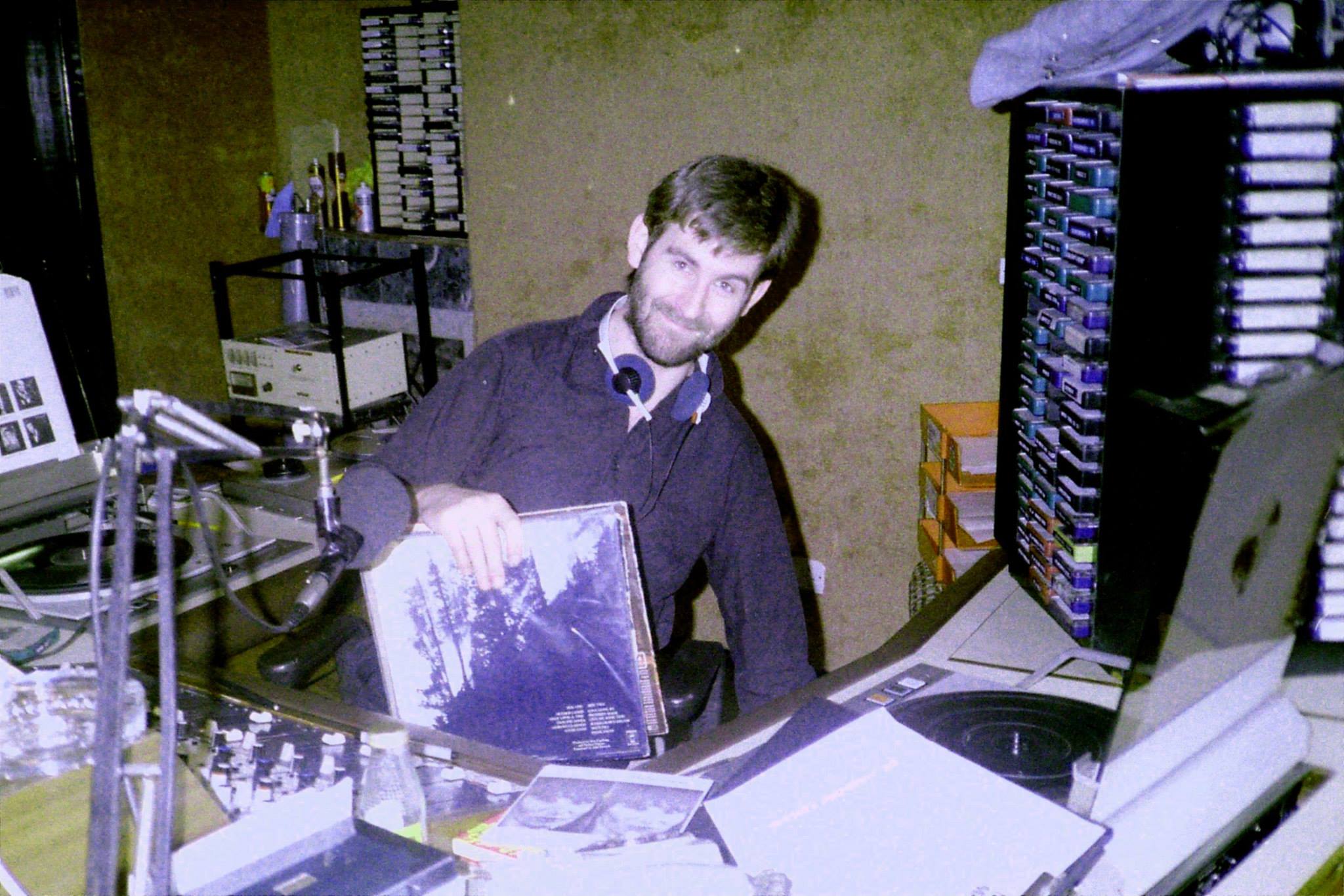
Chief engineer Paul Cotter, who had recently married Bernie Jameson, one of the locked-out employees, left the station in sympathy; while Mark Weller was the only regular on-air personality to walk out.
Cary returned to Dublin the following Monday, immediately honouring the failed cheques. He initially offered to reinstate all eight, although he said there might not be journalistic work for them.
Union negotiators Barry McCall and Jim Eadie presented proposed terms and conditions. Cary suggested amendments which were reportedly considered broadly acceptable, subject to consultation. The NUJ chapel agreed to accept the arrangement.
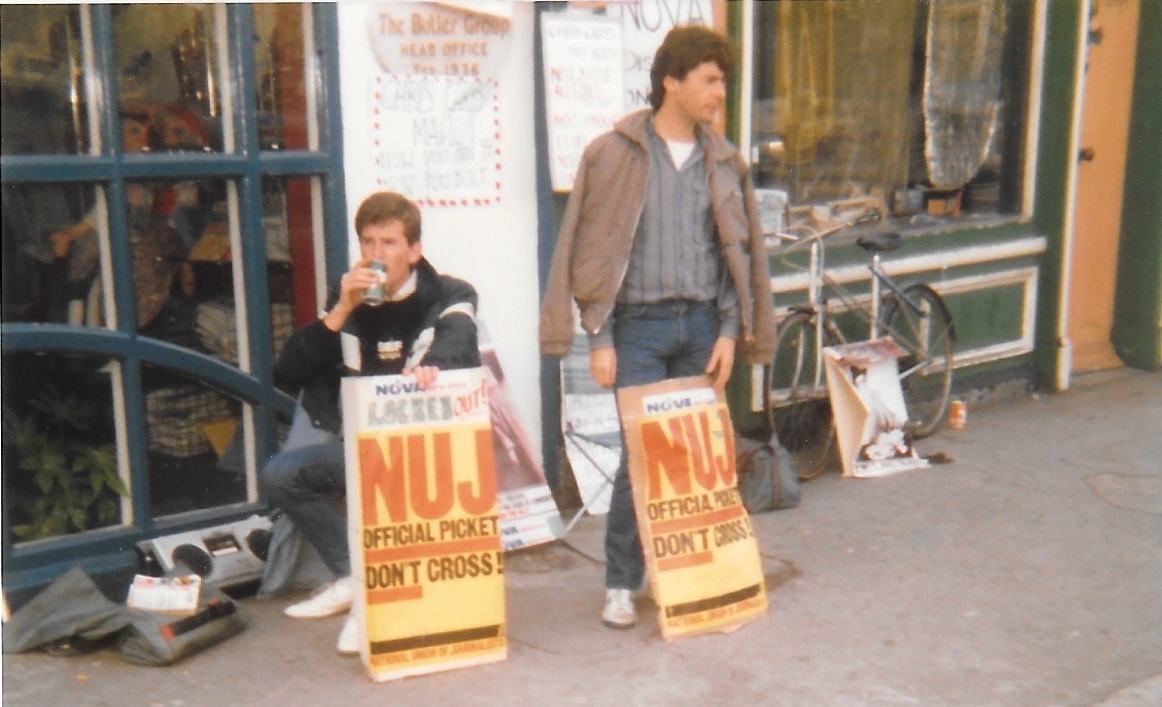
By the following day, however, Cary had withdrawn the offer, claiming that the arrangement would not work because he did not want a union in Nova. Cary disputed that a firm agreement had ever been reached, maintaining that he had merely discussed possible options.
Cary subsequently offered £10,000 to settle with all eight. He presented this as a collective “golden handshake”; the NUJ members refused it, claiming it was blood money that, if accepted, would give him free rein to continue to ‘mistreat’ his employees.
They were making it personal again.
The lack of financial compensation had been at the heart of the previous strike. This time around it wasn’t accepted. What exactly did they want? The answer may well have appeared in the :- “…we will do all in our power to ensure that [Radio Nova] ceases to function.”
Sybil Fennell, speaking to Radio Today in 2016, believes this to be true:
The NUJ strike didn’t just ‘happen’ it was carefully orchestrated. I have no argument with the NUJ as a union, never have had, my argument was how every possible tactic was being employed to force Radio Nova off-air. The strike was a deliberate move to bring pressure to bear on Chris and to bring about the closure of Radio Nova – as was the jamming. RTE was not a happy bunny – their stations were haemorrhaging listeners not just to Radio Nova, although we were the most popular of the stations, but to a dial filled with radio stations delivering what the Dublin audience wanted.
Different Battlefronts
Meanwhile, the NUJ were keeping Radio Nova busy in court. As a result of an action initiated by Barry McCall from the union, Nova were restrained from operating a radio station at Nova Park without planning permission. They were also restrained from using masts that needed planning permission. The order would come into effect in June 1986 if planning permission hadn’t been granted by then.
Negotiations continued until the end of the year, at one point a resolution appeared to have been reached only for Cary to deny this the following day.
In January 1986 talks led to some of the strikers returning to work and a full News service was restored to Radio Nova.
Seemingly, the NUJ wasn’t alone in wanting to cause harm to the station. At the start of November 1985, the transmitter site at Kilmashogue was the subject of a break-in in which £50,000 worth of damage and £10,000 worth of equipment was stolen. Kilmashogue was the location of the 103.5MHz transmitter which had been used for Magic 103 and, since the closure of that station, had been carrying Radio Nova.
Bulletins on Radio Nova reported the act of vandalism, offering a £25,000 reward for any information which led to identifying the responsible persons. Strangely, though, Q102 lit up 103.5MHz the very next day using the Kilmashogue transmitter, which they – it transpired – had bought from Nova. Presumably, it had been removed before the break-in.
What appeared to be another act of vandalism, this time over the airwaves, was the whistling that appeared on 102.7MHz – Nova’s main frequency – on the same day that Q102 turned on 103.5MHz. It eventually emerged that these were sanctioned tests conducted by RTÉ from Clermont Carn, in Co Louth. Radio Nova switched off 103.2MHz and moved 102.7MHz to 103.1FM. They, however, stuck with 102.7 as their FM frequency on jingles, idents, adverts and on-air verbal identification right up until the day they closed.
Vox Box: The Grim End Period
Ronan Segrave
We are into the grim end period now – a lot of kudos to the staff who stayed ultra professional to the end while the NUJ besieged the station.
Q102 took full advantage in terms of hiring some of the staff and taking advertisements. Mickey Joe had learned a lot from Chris!
Something that shouldn’t have happened was that Sybil Fennel was effectively blacklisted by the NUJ in both Ireland and the UK for passing pickets on the basis she was in a personal relationship with Chris – an extraordinary love story that endured for years. That was totally wrong and there should have been some basic compassion and understanding for the impossible situation she was in.
Ireland in the ’80s had five basic pillars – weak governments, the Catholic Church, the GAA, RTÉ and unions. Chris ended up in dispute with three of them at various points and the rest is history.
That said, Nova made growing up in the 80s in Ireland bearable. Chris also inspired a deep love of radio in me and brought listening pleasure to millions who badly needed it. Some story.